• 6 Day Bali Cultural and Nature Tour for Travelers Who Want the Real Bali

    If you’ve ever searched for a trip that mixes temples, rice terraces, waterfalls, beaches, and those heart-thumping cultural ceremonies that make Bali so unforgettable, then a 6 day Bali cultural and nature tour is probably the sweet spot. I’ve been to Bali more times than I can count, and every time I go, I still end up stumbling across something new — whether it’s a hidden water temple, a family-run warung with food that tastes like heaven, or a dance performance that makes you feel like you’ve stepped into another world. Six days is just enough to soak up a good mix of Bali’s culture and nature without feeling rushed, and it’s the kind of trip that sticks with you long after you’re back home.

    Read also: What Language is Spoken in Bali

    Now, let’s break this down the way I would if you were sitting across from me at a coffee shop, asking, “So, what should I do in Bali if I only have six days?” I’ll walk you through each day, share some personal insights, sprinkle in those little details I’ve learned from experience, and give you a bunch of options depending on whether you lean more toward cultural immersion or chasing nature spots.

    Why a 6 Day Bali Cultural and Nature Tour is Perfect

    A lot of people make the mistake of trying to do Bali in 3–4 days. Big mistake. You’ll barely scratch the surface and just end up in the tourist bubble of Kuta or Seminyak, which—don’t get me wrong—has its place if you’re into nightlife and beach clubs, but that’s not real Bali. Six days lets you go deeper.

    You can split your trip between cultural centers like Ubud and nature-heavy regions like the northern waterfalls or even Mount Batur. And because Bali is a relatively small island, you can cover a lot of ground without spending your entire vacation in a car.

    According to the Indonesian Ministry of Tourism, Bali welcomed over 5 million international visitors annually before the pandemic, with the majority seeking cultural experiences beyond just beaches. That stat makes total sense to me, because every single time I’ve taken friends or students to Bali, what blows them away isn’t just the ocean—it’s the ceremonies, the temple offerings, the gamelan music echoing through the rice fields.

    Day 1: Arrival and First Taste of Bali

    If you’re landing at Ngurah Rai International Airport, prepare yourself for a bit of chaos. The airport is modern enough, but the moment you step outside, you’ll be greeted by dozens of taxi drivers waving signs. My advice: arrange a pickup in advance. It saves you from bargaining while jetlagged.

    For your first night, I usually recommend staying in Sanur or Seminyak. Sanur is quieter and has this charming beach-town vibe, while Seminyak is busier, full of cafés, boutiques, and sunset bars. Both are within an hour of the airport, depending on traffic.

    Don’t overplan your first day. Bali traffic can be unpredictable, and honestly, you’ll probably just want to drop your bags and breathe in that humid, flower-scented air. Grab a plate of nasi goreng (fried rice) or mie goreng (fried noodles) at a local warung. Trust me, the family-owned spots are always better than the fancy restaurants.

    Day 2: Ubud – Temples, Dance, and Rice Fields

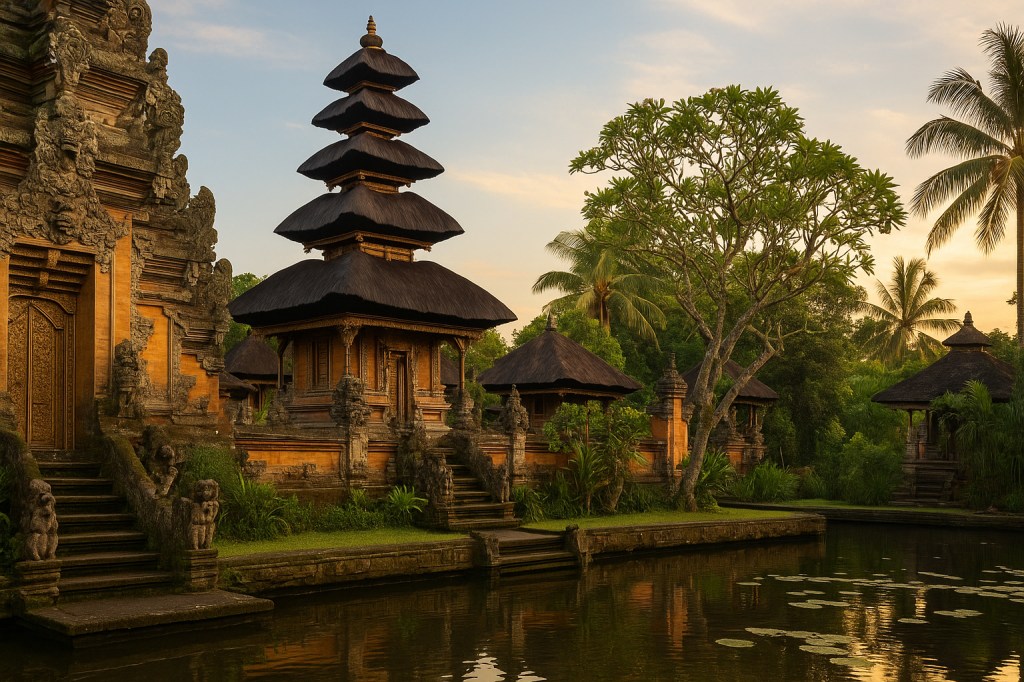
    If culture is the heartbeat of Bali, then Ubud is its chest. This town is where you’ll find art galleries, traditional crafts, Balinese dance performances, and endless rice terraces. I once stayed in a homestay right behind a family compound, and every morning, I’d watch the grandmother place little woven offering baskets (canang sari) filled with flowers and incense at the doorstep. That’s the rhythm of life here.

    Start with a visit to Goa Gajah, also known as the Elephant Cave. It’s a temple that dates back to the 9th century, with carved stone figures and a meditation cave. It’s touristy, yes, but worth a stop. Then head to Tegallalang Rice Terraces. The view is iconic, and while it can get crowded, there are side paths where you can wander without bumping shoulders every two seconds.

    At night, don’t skip a traditional Balinese dance performance. The Kecak Fire Dance is the most famous, but if you want something more subtle, look for a Legong Dance. The costumes, the hand movements, the gamelan music—it’s mesmerizing. I still remember sitting in the open-air pavilion, the night air thick with the smell of incense, and feeling like I was watching something unchanged for hundreds of years.

    Day 3: Water Temples and Northern Waterfalls

    This is where the “nature” part really kicks in. Wake up early and head north. First stop: Tirta Empul Temple. Locals come here to do a purification ritual in the holy spring water. As a visitor, you’re welcome to join, but make sure you’re respectful—wear a sarong, follow the locals’ lead, and don’t treat it like a photo op.

    From there, drive toward the northern highlands. The road winds through lush jungle and coffee plantations. If you’re a coffee drinker, you’ll love stopping at a small plantation to try Bali’s famous kopi luwak (civet coffee). Personally, I’m not a fan of how it’s made, but the regular Balinese coffee is rich and smooth, and I always end up buying a bag to bring home.

    The highlight of the day is the waterfalls. Sekumpul Waterfall is hands-down my favorite. It’s a bit of a trek down (and an even harder trek back up), but when you’re standing at the bottom, surrounded by towering green cliffs and multiple streams of water crashing down, it feels like you’ve found paradise. Wear proper shoes—it’s slippery.

    Day 4: Sunrise Trek and Hot Springs

    If you’re up for an adventure, this is the day to tackle Mount Batur. It’s an active volcano, but don’t worry, the trek is safe and popular. You’ll have to wake up around 2 a.m. to start the hike, but standing at the top as the sun rises over Lake Batur is absolutely worth it. I remember one trip where the sky turned pink and orange, and you could see Mount Agung in the distance—it was one of those pinch-me moments.

    After the hike, reward yourself with a soak in the nearby hot springs. The warm water eases your tired muscles while you look out over the lake. And yes, the hot springs are touristy, but honestly, your legs will thank you.

    By afternoon, you can head back to Ubud or choose to stay in the Kintamani area if you want to avoid long drives.

    Day 5: Eastern Bali – Gates of Heaven and Local Villages

    Eastern Bali is less visited, which makes it one of my favorite parts of the island. Start your morning at Lempuyang Temple, known for the famous “Gates of Heaven.” Yes, there’s often a long line for that Instagram shot with Mount Agung framed in the background, but here’s the thing: the temple itself is stunning beyond the photo. The peaceful atmosphere, the mountain breeze—it’s one of those spots that feels sacred.

    Nearby, you can explore Tirta Gangga, a former royal water palace with pools, fountains, and stepping stones. Bring some bread to feed the koi fish—it’s silly, but surprisingly fun.

    What makes eastern Bali stand out is the chance to visit small villages. I once joined a cooking class in a traditional compound in Sidemen Valley, and it was one of the most authentic experiences I’ve had. Rolling out satay skewers with a Balinese grandmother who spoke maybe three words of English was way more memorable than any fancy resort dinner.

    Day 6: Beach Time and Departure

    On your last day, it’s time to wind down. Depending on your flight schedule, you might want to spend it near the beach. If you’re after something quieter, head to Sanur or even Jimbaran Bay, where you can eat grilled seafood right on the sand as the sun sets. If you’ve still got energy left, Nusa Dua’s beaches are calm and great for swimming.

    This is also the perfect day to shop for souvenirs—think batik fabrics, silver jewelry from Celuk, or handmade wood carvings from Ubud. Just remember to bargain politely. The vendors expect it, but there’s a big difference between haggling and being disrespectful.

    And that’s your six days—balanced between culture and nature, temples and rice fields, waterfalls and volcanoes, all tied together by the warm hospitality of the Balinese people.

    Practical Tips for a 6 Day Bali Cultural and Nature Tour

    • Transport: Hire a private driver. It sounds expensive, but split between two or three people, it’s really affordable, and it saves you time compared to public transport.
    • Weather: Bali has two main seasons. Dry season (April to October) is ideal for trekking and sightseeing. Rainy season (November to March) means lush green scenery but also slippery paths and sudden downpours.
    • Respect Local Customs: Always wear a sarong when visiting temples. Don’t step over offerings left on the ground. Learn a few words of Bahasa Indonesia—it goes a long way.
    • Food: Try babi guling (suckling pig) if you eat pork, or lawar (a spiced meat and veggie mix). For vegetarians, gado-gado (vegetables with peanut sauce) is filling and delicious.
    • Money: Cash is king in smaller towns. ATMs are common, but they sometimes run out of money on weekends.

    Balancing Culture and Nature on Your Trip

    One thing I’ve noticed after years of helping friends plan their Bali trips is that people often lean too hard to one side—either they pack their days with nonstop sightseeing of temples, dances, and villages, or they swing the other way and spend every day chasing beaches and waterfalls. The sweet spot is really in the balance.

    For example, after a morning of climbing Mount Batur or trekking through the rice terraces, it makes sense to slow down in the afternoon with something cultural, like a cooking class or a visit to a local art gallery in Ubud. That way, you’re not just exhausting yourself physically, but you’re also giving your brain and senses something to savor. And honestly, those little moments of cultural exchange are what stick in your memory years later. I still remember when a Balinese farmer showed me how to plant rice seedlings barefoot in the mud—it was messy, hilarious, and more educational than any textbook.

    Where to Stay During a 6 Day Bali Cultural and Nature Tour

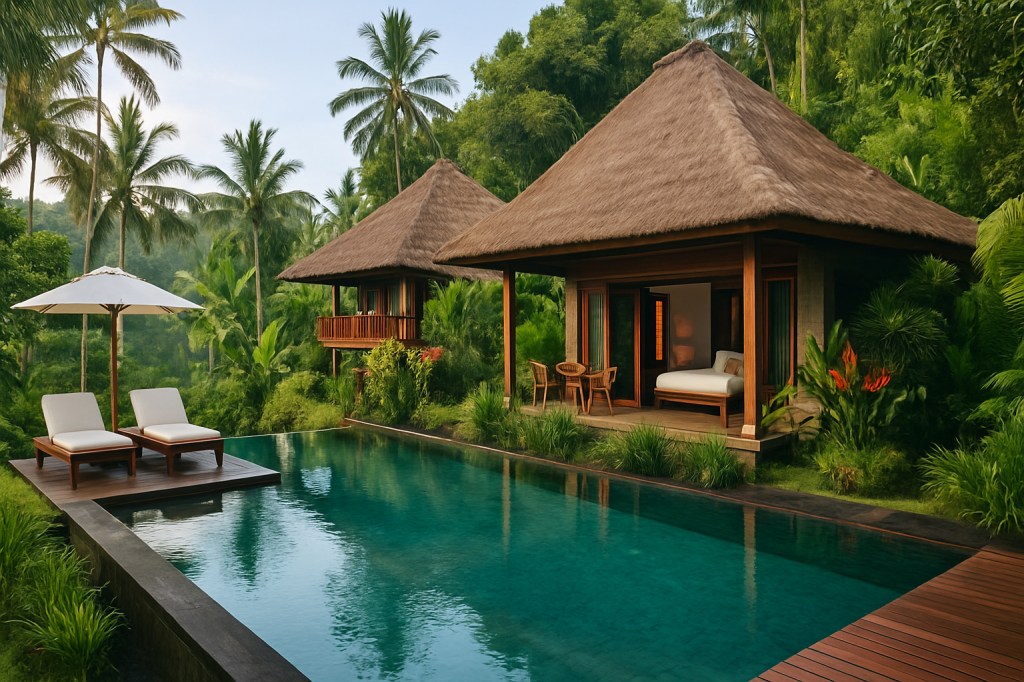
    Accommodation choices can make or break your trip. If you’re splitting your time between different parts of Bali, I’d suggest booking two base camps instead of moving every single night. Ubud is a must for at least three nights—it puts you close to temples, rice terraces, and waterfalls. Plus, staying in a family-run homestay there gives you a front-row seat to daily Balinese rituals.

    For the other half of your trip, you can choose based on your vibe. If you’re into beaches and seafood, Jimbaran or Sanur are solid. If you want more nightlife and shopping, Seminyak is where it’s at. And if you crave that off-the-beaten-path feel, consider Sidemen Valley. It’s quieter, full of rice fields, and you’ll wake up to the sound of roosters instead of scooters.

    A Few Mistakes to Avoid

    I’d be lying if I said I didn’t make mistakes the first few times I went. For one, don’t try to squeeze Nusa Penida or the Gili Islands into this itinerary. They’re amazing, but they deserve at least two full days on their own. Trying to rush there and back in a six-day trip will just stress you out.

    Another common mistake: underestimating travel time. A short distance on the map can take way longer because of Bali’s winding roads and traffic. I once thought I could do Ubud to Lovina in “maybe an hour.” It took nearly three. Lesson learned. Always add a buffer to your schedule, and don’t panic if things run late—it’s part of the Bali rhythm.
  • What Language is Spoken in Bali? Local Dialects, Travel Talk & How to Connect Better with the Balinese

    Let’s just answer the big question right away because I know you’re probably mid-trip planning or already thinking about chatting up locals at a warung (that’s a local café, by the way). So: what language is spoken in Bali? The official language of Bali is Indonesian, known locally as Bahasa Indonesia, but that’s just the beginning of the story. Most Balinese people also speak Balinese (yep, it’s a whole different language), and then there’s a third layer—English, which is widely spoken in tourist-heavy areas but not always guaranteed once you get outside the major towns.

    But let me slow down and get into the weeds here, because if you’re traveling to Bali (or even just dreaming about it from your couch), this is the kind of info that can make or break those special moments—like getting a real smile instead of a tourist nod.

    Bahasa Indonesia: The National Language You’ll Hear Everywhere

    So here’s the deal—Bahasa Indonesia is the glue that holds together a wildly diverse country. We’re talking over 17,000 islands and more than 700 languages kind of diverse. In Bali, Bahasa is the go-to for official stuff, school, newspapers, signs, and yes, talking to tourists when Balinese isn’t the shared language.

    Read also: Best Beaches in Bali

    Now, if you’re like me and believe in showing some basic respect to the local culture when visiting, then learning a few Indonesian phrases will get you far. And I mean far like free banana fritters and that extra smile at check-in kind of far.

    Simple stuff like:

    • “Terima kasih” (Thank you)
    • “Selamat pagi” (Good morning)
    • “Apa kabar?” (How are you?)
    • “Di mana kamar mandi?” (Where’s the bathroom?)

    Not hard, right? You don’t need to sound fluent. I sure didn’t. I still remember the first time I said “terima kasih” to an old woman in a rice field—her face just lit up. She even gave me a handful of rambutans from her basket. No joke. All because I tried.

    But here’s the thing—while Bahasa gets you around Bali pretty smoothly, you might hear something else when you’re out in villages or even chatting with hotel staff…

    Balinese Language: The Island’s Cultural Heartbeat

    Yep, there’s an actual Balinese language (called Basa Bali), and it’s still very much alive, especially in rural parts. It’s not a dialect of Bahasa Indonesia—it’s a completely different language with its own script, vocabulary, and even levels of formality depending on who you’re talking to. Kinda like if you had to switch languages depending on whether you were talking to your mom or a king.

    Balinese has three main levels:

    • Low Balinese (basa ketah) – for casual conversations among friends.
    • Middle Balinese (basa madia) – used in polite settings, maybe with strangers.
    • High Balinese (basa alus) – reserved for religious ceremonies or speaking to elders and respected folks.

    I tried learning some Balinese from a homestay host in Ubud once. And wow, it’s hard. Like, really hard. Not because the sounds are impossible, but because remembering when to use the right level can get tricky. One night we were drinking arak (local moonshine), and he started laughing so hard at my pronunciation of “rahajeng semeng” (good morning) that he nearly fell off his chair.

    Still, even just knowing a word or two makes a difference. Locals appreciate the effort, and it shows you’re not just another tourist in a Bintang singlet.

    English in Bali: Hit or Miss Depending on Where You Are

    Okay, now let’s talk about English, because if you’re reading this, chances are you’re banking on it.

    In places like Seminyak, Canggu, Ubud, Kuta, and Nusa Dua, English is widely understood—menus, hotel staff, drivers, spa therapists, even some taxi drivers. You’ll probably be greeted with a cheerful “Hello!” or “Yes, yes! You want massage?” within five minutes of arriving.

    But—and this is big—once you get off the main roads, especially into the mountains or rural villages, English can get patchy. I’ve been to places like Sidemen or the north coast near Lovina, and sometimes, Google Translate became my best friend.

    One time in Amed, I tried to ask for a motorbike rental from a tiny shop run by a guy who looked like he built the building himself. No English at all. We ended up drawing bikes and rupiah symbols on the sand to communicate. It worked! But if I had known the word for “rent” in Bahasa (“sewa”), things would’ve gone smoother.

    So yes, English will get you through, but don’t expect to have deep conversations with your driver about Balinese philosophy unless he’s worked in tourism a while.

    What Language Should You Use with Locals? (Depends on Who You’re Talking To)

    Honestly, this is where it gets a bit nuanced. And fun, if you’re into people.

    If you’re chatting with a hotel receptionist, surf instructor, or waiter in Ubud, English is safe and usually fluent. You can even joke around. Balinese people have amazing senses of humor—lots of teasing, lots of warmth.

    With older people, especially in villages, Bahasa is more reliable. They may understand basic English but aren’t super comfortable using it. That’s where your “apa kabar?” and “makan enak” (delicious food) come in handy.

    If you’re attending a ceremony, please be mindful. Religious or cultural events are a big deal, and even if folks speak English, it’s polite to keep conversation minimal and respectful. A quiet “rahajeng” (means “peaceful/good wishes”) is sometimes all you need.

    And if you’re at a local market, Bahasa will unlock everything. Prices drop. Smiles widen. One woman gave me an entire stalk of bananas because I tried to joke in Bahasa. My pronunciation? Terrible. But I tried.

    Should You Try to Learn Bahasa or Balinese Before Visiting Bali?

    Short answer: Yes, Bahasa. Skip Balinese unless you’re planning to live there or deeply study the culture. It’s fascinating but super complex.

    Bahasa Indonesia is relatively easy to pick up:

    • No verb conjugations.
    • Simple pronunciation.
    • Lots of loan words from Dutch and English.

    Apps like Duolingo, Memrise, or even YouTube channels like “Bahasa with Ibu” (that one’s fictional, but someone should make it) are great starting points.

    Even just knowing:

    • “Saya tidak mengerti” (I don’t understand)
    • “Berapa harganya?” (How much is this?)
    • “Enak sekali!” (Very delicious!)

    …can really upgrade your whole travel experience.

    When I stayed in Ubud for a month, I took a few basic lessons from a language café (yeah, those are a thing) and it made life so much smoother. Even asking for “nasi goreng tanpa pedas” (fried rice, not spicy) saved me from one too many surprise chili bombs.

    Quick Glance: Common Phrases in All Three Languages

    Phrase English Bahasa Indonesia Balinese
    Hello Hello Halo Swastyastu
    Thank you Thank you Terima kasih Suksma
    Good morning Good morning Selamat pagi Rahajeng semeng
    How are you? How are you? Apa kabar? Kenken kabare?
    Delicious Delicious Enak Lezat / Ngunyah
    Goodbye Goodbye Sampai jumpa Rahajeng rauh

    Memorizing even a few of these before your trip will make you feel more in the place instead of just passing through it.

    Do Kids in Bali Speak English? What About Schools?

    Funny story—one day I was at a beach café in Sanur, and this kid (maybe 9 or 10?) was selling bracelets to tourists. She came up to me and hit me with, “Hello Mister, you want two for fifty?” in perfect English. Better than some adults I know.

    A lot of kids, especially in tourist areas, start learning English early. It’s taught in schools as a foreign language, and with tourism being such a big part of Bali’s economy, English exposure is high. But again—this depends heavily on location and economic background.

    In urban areas? Absolutely. In the highlands or remote areas? Less so. Some public schools focus more on religious studies and local languages.

    I’ve had young kids in the countryside just giggle and run away when I tried English. Which is fair. I do the same when people try math on me.

    So… What Language Is Spoken in Bali Overall?

    To bring it full circle without sounding preachy: The language spoken in Bali is mainly Indonesian (Bahasa Indonesia), followed by Balinese, and then English—in that order. What you’ll hear more depends on where you are and who you’re talking to.

    Tourists get by with English just fine, but dipping your toes into Bahasa (or even a splash of Balinese) goes a long way toward more meaningful moments.

    And trust me, Bali is about those moments—the unspoken connections, the friendly chats over nasi campur, and the smiles that say more than words ever could. Even a mispronounced “suksma” might earn you a lifelong memory.

    Staying Long-Term in Bali? Here’s How Language Impacts Your Daily Life

    If you’re sticking around longer than a couple of weeks—maybe doing the digital nomad thing in Canggu or setting up a yoga retreat in Ubud—then yeah, language starts to matter more. Daily stuff like grocery shopping, dealing with utilities, chatting with neighbors, or even making friends with the ibu kos (landlady) becomes way easier when you speak a little Bahasa.

    Here’s what surprised me: most expats who’ve lived in Bali for a year or more can barely hold a conversation in Bahasa Indonesia. Not judging, but it really cuts you off from the culture. And you end up overpaying for everything because people just assume you’re not interested in anything beyond beaches and Bintangs.

    Let’s take motorbike rentals. If you walk up to a rental shop in English, they might quote you 100K–150K IDR per day. But start the convo in Bahasa: “Berapa harga sewa motor per hari?” (What’s the rental price per day for a motorbike?), and suddenly the price drops to 70K or even 60K. I’ve seen it happen over and over.

    Also, if you’re staying in a kos (boarding house), knowing how to say things like “air mati” (no water), “AC rusak” (AC broken), or “kunci hilang” (lost key) can be lifesavers. You don’t wanna be miming “toilet won’t flush” with hand gestures, trust me.

    Religion & Language: Why Balinese Ceremonies Sound So Different

    Now, here’s something that caught me off guard. If you ever attend a Balinese temple ceremony, you might think: “Wait, this doesn’t sound like Bahasa or Balinese.” That’s because a lot of religious chanting is done in Old Javanese (Kawi) and Sanskrit.

    Yeah, they still use ancient languages for prayers and rituals. It’s one of the reasons the ceremonies feel so powerful, even if you don’t understand a word. The sounds are rhythmic, hypnotic, and steeped in centuries of tradition. It’s not about translation—it’s about presence.

    I once sat through a full moon ceremony at Pura Tirta Empul. No one explained a thing. No guides. Just locals praying, chanting, offering flowers, and me, trying to blend in quietly with my sarong tied wrong. The language didn’t matter so much then. It was about respect, and just being there.

    But again, knowing just how to greet someone—“rahajeng nyanggra rahina full moon” (Happy full moon day)—totally changed how I was received.

    Language Learning in Bali: Schools, Courses, and Conversation Cafés

    So let’s say you do want to level up your skills while you’re in Bali. Good news: there are some awesome language learning options that don’t feel like sitting in a boring classroom.

    • Cinta Bahasa in Ubud and Sanur is probably the most well-known. They offer private lessons, group sessions, and even cultural immersion days. I did a weekend intensive here and by the end, I could order food, ask for directions, and argue (badly) with my Grab driver.
    • Bahasa Indonesia di Rumah (Indonesian at Home) offers online and in-person lessons, perfect if you’re working remotely but still want to squeeze in a class or two per week.
    • And then there are casual language exchange cafés where locals and foreigners practice each other’s languages. It’s usually 50% chatting in English, 50% in Bahasa. Super low pressure. Plus, the coffee’s usually decent.

    If you’re the self-study type, download an offline Bahasa dictionary. It saved me so many times when Wi-Fi dropped or my SIM card glitched. Apps like “Kamusku” and “U-Dictionary” work even without internet.

    Regional Language Differences Across Bali

    Something I didn’t expect before living in Bali is how the language use shifts depending on the region.

    For example:

    • Ubud: A lot of locals still speak Balinese daily, especially among family. But they’ll switch to English fast if they know you’re a tourist. There’s a big artsy expat scene here too, so you’ll hear a weird blend of English, French, German, and a sprinkle of Sanskrit if you’re into yoga.
    • Canggu & Seminyak: English rules here. It’s practically an Aussie suburb at this point. Some cafés don’t even have Bahasa menus anymore, which kind of bugs me, honestly.
    • North Bali (like Singaraja or Lovina): Bahasa Indonesia is more common here than English, and Balinese is still widely spoken in homes. Fewer tourists mean fewer English speakers, so even basic Bahasa helps a ton.
    • East Bali (Amed, Tulamben): More traditional, quieter. Locals will use Balinese with each other, Bahasa with visitors. English? Hit or miss. Bring your phrasebook or download that app.
    • West Bali & Negara: Very traditional. I once got lost on a backroad here and had to use only Bahasa to ask for help. No one spoke English in that village, but they were incredibly kind and helpful anyway.

    Moral of the story: just because you can get by with English doesn’t mean you always should. Speaking even a little Bahasa opens doors—literal and metaphorical.

    Funny Language Moments You’ll Probably Have (Or Already Did)

    Look, everyone who’s spent more than a week in Bali has their own “lost in translation” story. Here’s a few that either happened to me or friends:

    • Ordering “ice” and getting “rice” — Sounds similar when you say “es” and “nasi” too fast. The waiter brought a bowl of rice with a straw once.
    • Trying to say “enak banget” (super delicious) but accidentally saying “anak banget” (very child) — The warung owner just blinked and then laughed so hard she gave me another portion for free.
    • Asking for “taksi” and a guy brought his friend named Taksu — Yeah. That happened. We laughed about it for 10 minutes and then they actually gave me a ride.

    These moments aren’t embarrassing—they’re bonding. People in Bali are super understanding and they love to help you out if you’re trying. Humor goes a long way, and honestly, language mess-ups are part of the charm.

    Language = Connection = Better Travel

    Let me end this bit by saying something I wish someone told me before I first landed in Denpasar:

    “It’s not about being fluent. It’s about showing up with respect and curiosity.”

    That’s really what this all comes down to. You don’t need to master Balinese verbs or recite poetry in Bahasa. Just learn enough to show you care. That you’re not there to just take, but to connect, to share space in a meaningful way—even if it’s just over a cup of kopi tubruk or a coconut at sunset.

    Say hi. Say thank you. Ask someone how they’re doing in their language. Those are the things that make your trip to Bali more than just a vacation.

    And if all else fails? Smile. It’s the one language we all speak fluently.

    Let me know if you want me to write a short cheat sheet for Bahasa or basic Balinese phrases you can screenshot and keep on your phone. I’ve got one tucked in my Notes app from my last trip and it saved my butt more times than I can count.

  • Best Beaches in Bali: Where to Kick Back, Swim, and Soak It All In Without the Guesswork

    If you’re Googling the best beaches in Bali, let me save you the scroll hole and tell you—it really depends on what kind of beach day you’re after. Are you into mellow vibes and coconut-sipping? Or chasing surf breaks? Or just wanna snap that perfect shot for the ‘Gram without sweating through a crowd of sunburned tourists? Been there. Lived that. Bali’s beach scene is like ordering at a warung—plenty of options, each with its own flavor.

    I’ve been based in Bali for a few years now, working in travel, and lemme tell you, not all beaches here are created equal. You could end up on a trash-strewn stretch wondering where all those “paradise” pics were taken. Or—if you know where to go—you could be floating in crystal-clear water while a beach dog naps under your lounger. Big difference. So I’m laying it all out for you, with details folks usually leave out.

    Canggu: Beach with a Side of Buzz

    Look, if you wanna feel like you accidentally walked into a fashion shoot but you’re still wearing flip-flops, Canggu is your scene. Technically, it’s a series of connected beaches—Batu Bolong, Echo Beach, and Berawa being the main ones.

    Read also: Where to Stay in Ubud

    Canggu’s beaches aren’t postcard white, but the vibe makes up for it. You’ll find surfboards for rent every 50 meters, and folks queuing up to sip overpriced coconuts while watching the sun do its dramatic descent. The waves here are more for intermediate surfers—beginners usually stick to Batu Bolong since it’s got that mellow, rolling break.

    Heads-up: the sand’s blackish (volcanic, not dirty), and yes, it gets HOT. Like, “I-just-fried-my-sole” hot. Bring sandals you don’t mind melting.

    Personally, I usually duck into Old Man’s for a post-beach beer or The Lawn if I’m feeling fancy. Berawa’s a bit quieter and more family-friendly, especially near Finns Beach Club, which honestly feels more like Miami with incense.

    Padang Padang: Tiny But Mighty

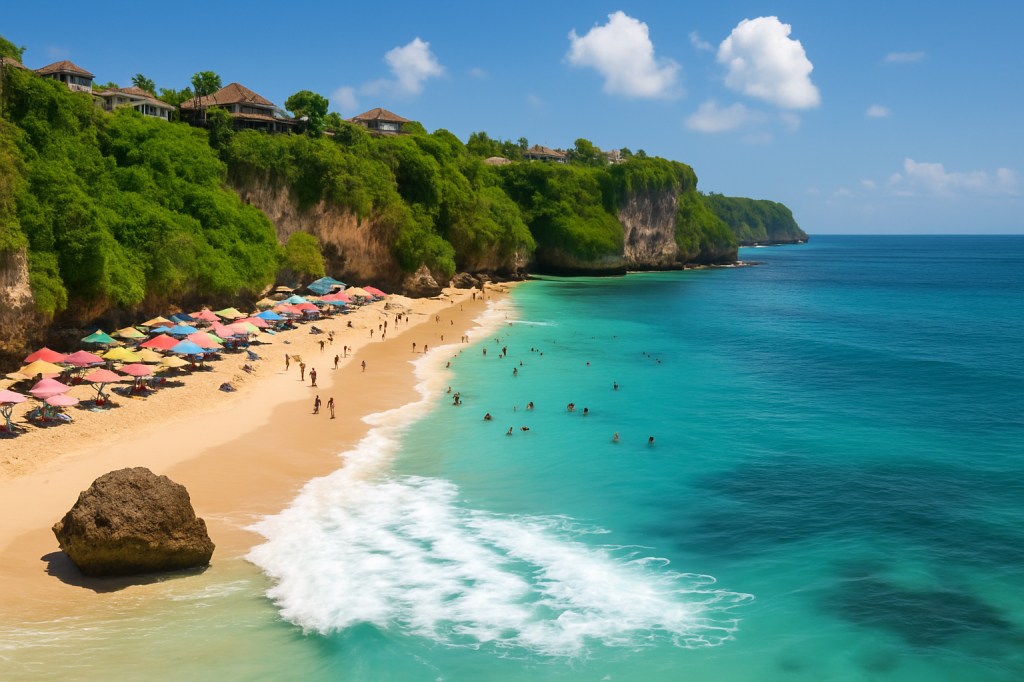
    Padang Padang is kinda like that cool indie band your surfer friend won’t shut up about. It’s small, a bit hidden (you gotta walk down a stone staircase through a temple), and packed by midday. But it’s beautiful. The water’s this deep turquoise, the sand’s soft enough to nap on, and the cliffs framing it feel almost dramatic, like something outta a pirate movie.

    It’s on the Bukit Peninsula, which generally has the island’s cleanest, bluest water. Padang Padang is super popular with surfers (shortboarders mainly), but you’ll also find people just lounging, swimming, and occasionally feeding the cheeky monkeys who patrol the rocks. Don’t bring snacks unless you’re down to share.

    I’ve hit Padang Padang early—like 7:30am—and had the whole beach to myself. Best swim I’ve ever had. But by 10am, it turns into a full-on photo-op circus. Not ideal if you’re hoping for peace and quiet.

    Grab a bite at Bukit Cafe or Drifter Surf after. The smoothie bowls are solid and the crowd’s chill.

    Nusa Dua: For That Resort Life Feeling

    So here’s the thing—Nusa Dua is like the opposite of wild-nature-Bali. It’s groomed. Polished. Super family-friendly. We’re talking soft white sand, shallow water, and security guards watching the hotel entrances. Not my everyday scene, but honestly? When my cousin brought her two toddlers and asked for a beach that wasn’t “sketchy” or “too salty,” this is where I took her.

    Geger Beach is the best part of Nusa Dua in my opinion. It’s got public access, gentle waves, and little warungs that serve grilled corn and Bintangs. Not much surf action here, but it’s perfect for snorkeling near the reef—just go when the tide’s in. At low tide, it’s mostly ankle-deep puddles.

    There’s also a waterblow attraction nearby—basically a spot where waves slam into a cliff and spray up like a geyser. It’s loud, wet, and fun for about 10 minutes. Worth a walk.

    No party scene. So if you’re trying to sleep before midnight or read a book in peace, this is probably one of the best beaches in Bali for families or chill vacations.

    Amed: Snorkel City and Chill Vibes

    Okay, Amed isn’t your typical beach. It’s on the northeast coast, and the sand is mostly black and pebbly. BUT—and this is a big but—the underwater scene is wild. Like, you can snorkel 10 feet from the shore and see coral gardens, electric blue fish, and even bits of shipwrecks. I took my GoPro out once and got better footage than on some paid dives.

    Most tourists skip Amed because it’s kinda far—about 3 hours from Canggu or Ubud. But if you’re into diving, snorkeling, or just want a quiet, authentic village vibe with fewer beach clubs and more warungs, this place delivers.

    I stayed in a beachfront bungalow for like $25/night, ate grilled mahi-mahi every evening, and woke up to the sound of waves. Can’t beat that.

    Balangan Beach: Cliff Views and Surf Culture

    Balangan is straight-up underrated. It’s not “hidden” by any means, but it doesn’t get the Canggu madness either. You park up on a cliff (5k IDR), walk down a little path, and boom—gorgeous golden sand framed by a massive headland. The surf’s solid here, mostly left-handers, so there’s usually a crew of longboarders out carving it up.

    I like Balangan for a slow day. You can grab a fresh young coconut for a couple bucks, kick back under a rented umbrella, and just zone out for hours. There’s usually a guy selling grilled satay from a pushcart too—do yourself a favor and grab a stick or three.

    Swimming can be tricky when the tide’s in—those reef shelves are no joke. Not great for kids or folks with mobility issues. But for sunsets, it’s insane. Especially if you climb back up the cliff and post up at Balangan Paradise for a Bintang as the sky lights up.

    It’s also a low-key fave for engagement shoots, so don’t be shocked if a couple in full wedding attire suddenly shows up for golden hour.

    Virgin Beach (Pasir Putih): Real Off-the-Radar Vibes

    Over on the east coast near Candidasa, you’ve got Virgin Beach, which lives up to the name. Super clean, white sand, calm-ish waves, and none of the overbuilt chaos of Seminyak or Jimbaran. Most locals call it Pasir Putih, and it’s one of the rare places where you’ll find locals and tourists actually mingling on the same stretch of beach.

    To get there, you’ll likely need a scooter and a bit of patience—the road’s rough, with potholes big enough to swallow a wheel. But it’s worth it. Last time I went, I paid like 10k to park, got a beach chair for another 50k, and just posted up all day.

    It’s one of the best beaches in Bali for swimming, hands down. Clear, no current, and you can rent a little wooden canoe if you’re feeling adventurous. Plus, the grilled seafood warungs there are chef’s kiss—I had grilled snapper with sambal matah that still haunts my dreams.

    Thomas Beach: The Bukit’s Best Kept Kinda-Secret

    If you’re into smaller, more peaceful spots without sacrificing beauty, Thomas Beach hits the mark. It’s just north of Padang Padang, but way less crowded. You gotta walk down a steep staircase (Bali loves those), but it’s shaded by palms and has a couple warungs with bean bags and fresh juices.

    The sand’s soft, the water’s usually calm, and the vibe is very “take a nap in the sun and maybe read half a book.” Not a party beach. No loud music. Just the occasional vendor selling sarongs or pineapples.

    I once spent five hours there without checking my phone once. That’s saying something.

    Blue Lagoon: Tiny Cove, Big Snorkel Energy

    This one’s near Padangbai, and it’s not big—but what it lacks in size, it makes up for in underwater life. Think clownfish, moray eels, pufferfish, and sometimes sea turtles if you’re lucky. You don’t need a boat—just rent a snorkel set on the beach (50k IDR), and wade right in.

    Beware the sea urchins near the rocks, though. I learned that the hard way (let’s just say I walked funny for two days). Water shoes aren’t a bad idea.

    There’s also a few cafes nearby that serve decent nasi campur, but the real draw is the snorkeling. If you’ve got time and wheels, combine this with a quick ferry ride to Nusa Lembongan and make it a full adventure day.

    Jimbaran: Seafood and Soft Sand

    Jimbaran gets overlooked ’cause it’s mostly known for its seafood dinners on the beach. But the beach itself? Solid. Soft golden sand, calm water, and barely a ripple most days. It’s perfect for a swim, especially at sunset.

    You can watch the planes land over the bay (Ngurah Rai Airport’s just to the north), which is oddly satisfying. And if you stay late, those famous seafood BBQ dinners light up the shoreline. Yeah, it’s a little touristy, but the grilled clams in butter and garlic are worth it.

    If you’re with someone and want a low-stress beach date, this is a good bet. Just maybe skip the fish market tour unless you’ve got a strong stomach—raw seafood + midday heat = not great combo.

    Bias Tugel: Secret-ish Spot for Solitude

    Okay, so Bias Tugel is near Padangbai too, and it’s another “down a sketchy path” situation, but when you hit the beach, it’s like… whoa. White sand, clean water, barely a soul in sight. You can snorkel, swim, or just crash under a palm and listen to the waves. Super peaceful.

    The locals sometimes grill fresh fish right on the sand, and the vibe is very no-fuss. Bring your own towel, maybe some snacks, and you’re good. Not many facilities, which is probably why it stays quiet.

    Green Bowl Beach: Stairs, Sweat, and Sweet Solitude

    So Green Bowl isn’t really on the top of most tourists’ list, which is kinda wild ’cause it’s straight-up stunning. The reason? Well, you gotta earn this one. I’m talking like 300+ steps down the side of a cliff. And yeah, they feel worse on the way up, especially if you’ve overdone it on mie goreng the night before. But once you’re down there? Pure magic.

    The beach itself is small, maybe a couple hundred meters wide, and nestled between steep limestone cliffs. White sand. Emerald water. Caves you can duck into when the sun gets aggressive. And the best part? You might only share it with a handful of other people, maybe a surfer or two if the swell’s working.

    Bring water. Bring snacks. There’s usually just one local dude at the top selling coconuts, and once you’re down those stairs, you’ll wanna stay for a while.

    Oh—and watch out for monkeys near the parking area. They’ve gotten bold. I saw one swipe a guy’s Red Bull last month and just stare him down while chugging it.

    Dreamland Beach: Not Always a Dream, But Close

    Okay, so Dreamland used to be this backpacker-secret-turned-surf-mecca, but it’s gone through some changes. Developers tried to turn it into a high-end resort area, then half-abandoned the project, so now it’s this weird mix of half-finished luxury and raw beach charm. But if you can look past that? It’s actually a really nice spot.

    Big waves, wide sandy stretch, lots of room to spread out. Good for swimming when the tide’s low, though it can get a bit rough for kiddos. There’s sunbeds, cafes, and even a few massage ladies who’ll offer a foot rub for about 100k.

    To me, Dreamland’s the kinda place you go when you don’t feel like trying too hard. You wanna be near the Bukit surf scene, but not packed in shoulder-to-shoulder on Padang Padang? This is your move.

    Just know that on weekends, especially Sundays, local families roll deep. Think: kids with floaties, uncles blasting music, and a rice cooker in the back of someone’s car. Love that energy, honestly.

    Melasti Beach: That Instagram Cliff, But It’s More Than a Selfie Spot

    You’ve probably seen Melasti on Instagram even if you don’t recognize the name. It’s the one with the massive cliff road switchbacks and those turquoise waters that make you think someone turned up the saturation. But what a lot of people don’t realize is—it’s actually a decent beach to chill at, not just a photo-op pit stop.

    The beach is wide and well-kept, and you can rent shaded loungers for like 50k. The water’s usually calm enough for swimming, especially in the dry season, and there’s even little tide pools where kiddos or, let’s be honest, you can poke around and spot tiny fish.

    There’s a beach club now—Palmilla—which has fancy cocktails and decent music, but it doesn’t dominate the whole space like some places in Seminyak. So you can still do your own thing without feeling like you crashed a private party.

    Extra bit I love: there’s often Balinese ceremonies here. I’ve seen full-on temple processions in the late afternoon, complete with gamelan music and ladies carrying offerings on their heads. Super peaceful vibe.

    Suluban Beach (AKA Blue Point): Surf’s Up and So Are the Stairs

    Alright, so Suluban isn’t your classic “lay on a towel and sunbathe” kind of beach. It’s wedged between dramatic rock formations and basically only exists at low tide. You get there by walking through a cave—seriously—below the Single Fin bar in Uluwatu. Which, by the way, is a killer spot for watching the surf at sunset. Cold beer, loud music, that kinda scene.

    But back to Suluban—if you’re a surfer, this is holy ground. It’s one of the most consistent reef breaks on the island, and when it’s firing, it’s packed. For non-surfers, it’s worth visiting just for the whole vibe. The rock formations, the wild blue water, the salty air… it’s got that primal, ocean-power feeling.

    You can swim here, but only when the tide is right. Otherwise, it’s mostly about exploring the little caves and tide pools, and watching people wipe out from a safe distance. Bring reef shoes if your feet are sensitive—there’s lots of sharp coral around.

    Also: don’t go alone at night. The tide comes in fast, and those rocks are unforgiving.

    Pererenan Beach: Where Locals Chill and Dogs Run Free

    Pererenan’s the quieter cousin of Echo Beach, just west of Canggu. It’s got that same dark sand, same surf culture, but way fewer tourists and way more space to breathe. I’ve come here to journal, to catch sunsets, even just to walk my neighbor’s Bali dog (yes, I borrow her dog sometimes—don’t judge).

    If you’re into surf, it’s solid. More advanced than Batu Bolong, with fewer folks clogging the break. If you’re not, you can still enjoy the scene—think barefoot dads with kids, digital nomads on scooters, and the occasional dude playing didgeridoo by the beach.

    There’s a couple cool cafes right by the shore. Honey is one of my go-tos for coffee, and La Brisa is a short walk away if you’re looking for a vibey late afternoon chill spot with bean bags and tapas.

    This is one of those beaches that feels like it’s still for locals—which is getting rarer by the day. If you want a quieter version of the Canggu scene, Pererenan’s your beach.

    Soka Beach: For When You Want to Feel Like You’re in a Movie Set

    This one’s more out of the way—on the drive between Denpasar and the west coast (towards Medewi, if you’re surf-obsessed like some folks I know). It’s got black sand, big skies, and huge driftwood logs washed up on shore like props in a dramatic movie. The vibe is eerie, chill, and totally untouched.

    Tourists don’t usually come here. There’s a handful of warungs, a shrine or two, and that’s about it. No loungers. No music. No beach clubs. Just crashing waves and lots of open space.

    I’ve stopped here on long scooter trips just to stretch my legs and eat crackers while watching the water. Sometimes, that’s all you need. If you’re a content creator, this place photographs incredibly well—seriously moody vibes.

    Pemuteran: Coral Reefs Without the Crowds

    Way up north near the West Bali National Park, you’ve got Pemuteran Beach. And this spot? Crazy underrated. It’s got calm water, dark sand, and some of the most accessible coral reef I’ve ever seen. Great for families, couples, solo travelers—you name it.

    The best part is, there’s an artificial reef project right off the shore. It’s called the Bio-Rock project, and it’s all about reef restoration. You can snorkel over these metal structures where corals are regrowing, and see fish darting around like it’s their own mini metropolis.

    It’s quiet, clean, and the water’s usually bathtub-warm. Honestly, if you’re heading up this way (or doing a Java crossing), Pemuteran is worth a stop. It’s peaceful in a way the south just isn’t anymore.

    Medewi: Left-Hand Heaven for Longboarders

    Last one I’ll throw in—because I know some of y’all are here for the surf—is Medewi. This beach is out in West Bali, about 2.5–3 hours from the Canggu area, and it’s famous for its loooong left-hand wave. It breaks over cobblestones, not reef, so it’s a bit kinder on wipeouts (though you still want reef booties, trust me).

    The town itself is super sleepy. Like, “everything closes at 9pm” sleepy. But that’s kinda the charm. You wake up, surf, eat nasi campur, nap, surf again, repeat. I’ve done weekends here with no phone signal and barely noticed.

    Not much for swimmers, though. The beach isn’t the cleanest and the waves are constant, so you’ll want to just hang back or try your hand at a board.

    Go Where the Vibe Feels Right

    The truth is, there’s no single “best beach in Bali.” It all comes down to what you’re craving that day. Want mellow vibes and soft sand? Nusa Dua. Into surf and cold beer? Canggu or Medewi. Looking for a quiet spot that still feels like Bali-before-Instagram? Thomas Beach or Amed.

    I always tell people: don’t plan to hit just one or two beaches while you’re here. Try a bunch. Wander a little. Talk to locals. Rent a scooter if you feel brave, and always—always—carry cash, water, and a dry sarong in your backpack. Trust me, they’ll come in handy.

  • Where to Stay in Ubud: Honest Advice from Someone Who’s Actually Done It (More Than Once)

    So you’re planning a trip to Bali and trying to figure out where to stay in Ubud? Yeah, been there. It’s not as straightforward as you’d think, right? Ubud sounds small on paper, but once you start looking at all the neighborhoods—Jungle-y ones, rice terrace views, walkable spots near town, those fancy resorts tucked into the hills—you’re like, “Wait… where’s the best area for me?”

    I’ve stayed in Ubud at least five times now—solo, with my partner, once with my sister who’s obsessed with yoga retreats, and even once during that month I tried to be a “digital nomad” (lol). So yeah, I’ve tested a lot of areas and styles of accommodation. I’ve stayed in budget guesthouses with jungle bathrooms (yes, the ones where frogs might join you in the shower), boutique villas with infinity pools, and even tried one of those all-inclusive wellness resorts where they feed you things like mung bean porridge and try to align your chakras at sunrise.

    Here’s the honest lowdown on where to stay in Ubud depending on your vibe, your budget, and what kinda trip you’re after.

    Staying in Central Ubud – Walk Everywhere, But Know What You’re Getting Into

    If it’s your first time and you’re unsure where to stay in Ubud, staying near the Ubud Palace or Monkey Forest Road is probably your safest bet. That’s basically “downtown” Ubud—where all the action is.

    So what’s it like? Think cute cafes, smoothie bowls, rice field views if you squint real hard, boutique shops, and lots of traffic. I stayed on Jalan Hanoman once—close enough to walk to Yoga Barn, which was kinda the goal at the time—and honestly, it was super convenient. No need to rent a scooter, which is a big deal if you’re not comfy riding one (I totally wiped out once in Canggu… don’t ask).

    But here’s the real talk: central Ubud is noisy. Like, roosters in the morning, motorbikes all day, and sometimes gamelan music at night from nearby temples. If you’re a light sleeper, choose a guesthouse or hotel that’s tucked into one of the side alleys off the main streets (like Jalan Kajeng or Jalan Bisma). They’re usually much quieter but still close enough that you can walk to most places.

    Also, prices can vary wildly. I’ve stayed in a lovely little family-run homestay for about $25/night with breakfast (banana pancakes, naturally), and then there’s fancier stuff like Bisma Eight or Alaya that runs $150+ depending on the season.

    If you’re looking to be in the heart of Ubud, meet people, and walk to restaurants, this is it. Just don’t expect total peace and quiet.

    Penestanan – My Favorite Spot for Chilling Without Being in the Middle of Town

    So the first time I stumbled into Penestanan, I was actually trying to find a vegan café and got lost. Best accidental discovery ever. It’s technically west of central Ubud, maybe a 15-20 minute walk into town, depending on where you’re staying. Or five minutes on a scooter.

    Penestanan is quieter, artsier, and kinda feels like Ubud ten years ago. There’s a mix of expats, yogis, long-term digital nomads, and folks just trying to zen out. I’ve stayed here twice—once in a private villa I found on Airbnb (around $60/night), and once in a cheaper room above a little café that cost $18 but came with insane jungle views.

    One big heads up though: a lot of places in Penestanan are down narrow walking paths. Like, you’ll have to park your scooter at the top of a lane and walk the last 2-3 minutes in. Kinda charming, kinda annoying if you’ve overpacked (guilty).

    If you’re into yoga, Alchemy Yoga and The Yoga House are nearby. If you like raw desserts and turmeric lattes, you’re also covered. And for being a little out of town, it still has some super Instagrammable villas with pools, rice field views, and all the Bali vibes you’re probably picturing.

    Sayan – Luxe Jungle Vibes for Honeymooners or Peace-Seekers

    Sayan is where the money’s at—literally. If you’ve seen pics of the Four Seasons Ubud with that huge circular yoga bale overlooking the Ayung River, that’s in Sayan. But there’s more than just luxury resorts here.

    The area is green. Like, crazy green. Jungle, river valleys, mist in the mornings—it’s honestly kinda magical. The downside? You’ll need a scooter or driver to get into central Ubud unless you’re cool with 30-minute walks along hilly roads (not ideal in the midday heat, trust me).

    I stayed in a mid-range eco-lodge here once—it had outdoor showers and compost toilets and was totally off-grid. I wasn’t sure how I’d feel about it at first, but waking up to nothing but birdsong and river noise? Insane. Easily the most peaceful sleep I’ve had in Bali.

    Sayan’s great if you want privacy, nature, and some luxury. It’s not great if you want to bar hop or pop into town easily for dinner every night. But for couples or solo retreaters? Hard to beat.

    Nyuh Kuning – Tucked Away Charm Near the Monkey Forest (But Less Chaos)

    Nyuh Kuning (pronounced kinda like “new kooning”) is this super cute little village just south of the Monkey Forest. Honestly, it’s a sweet spot if you want the best of both worlds—close to Ubud town, but waaay quieter and cleaner.

    There’s a local vibe here I really like. Kids play in the streets in the evening, families tend their temples, and there are some great locally-run warungs that’ll cost you half of what you’d pay in the center. And since it borders the Monkey Forest, there’s a chance monkeys might show up near your guesthouse—so maybe don’t leave your bananas outside.

    Accommodation-wise, it’s a mix. You’ll find small guesthouses with big gardens, mid-range hotels with pools, and a few fancier places tucked into side streets. One time I stayed in this garden villa with a hammock out front and honestly didn’t leave for two whole days (the warung next door delivered mie goreng—bless them).

    Nyuh Kuning is perfect if you’re into early morning walks, don’t mind a bit of a stroll into town (maybe 10-15 mins), and want a more local, chilled vibe.

    Tegallalang – For Those Iconic Rice Terraces (But Not the Best Base)

    Alright, so Tegallalang. You’ve definitely seen the pics—those step-like rice terraces that show up on every Bali Pinterest board ever. Super photogenic. But… not exactly walkable Ubud.

    Tegallalang is actually about 20-30 minutes north of Ubud proper. I stayed up here once because I found this villa on Instagram with an infinity pool right over the terraces. And while it looked dreamy, I won’t lie—after two nights, I was kinda over it.

    The view? Incredible. The isolation? Less so. If you don’t have a scooter, it’s a hassle. Food options are limited (unless you’re cool eating at the same tourist cafés over and over), and it’s dead quiet at night. Also, you’ll need to drive into Ubud for most things—yoga, groceries, better food, massages, whatever.

    Tegallalang is great for a few nights if you’re doing a romantic trip or wanna wake up to rice terrace views. But I wouldn’t base my whole trip here unless you’re really into staying away from the crowds.

    Lodtunduh – Low-Key, Cheaper, and Close to Nature

    Okay, I feel like Lodtunduh doesn’t get talked about enough. It’s just south of Ubud and super handy if you’re on a budget but don’t want to be in the thick of central town chaos.

    It’s way more local. Think banana trees, small art studios, and warungs instead of cafés with dragonfruit smoothies. I stayed here for a week during a longer trip when I was trying to stretch my budget. Found a place for under $15/night that had a pool (shared, but still!) and included breakfast. Insane.

    Only catch is that you really need a scooter. Everything is kinda spread out and there’s no real “center” to Lodtunduh, but you’re still only 10-15 minutes from Ubud’s town center. Also, a lot of cool Airbnb villas are hidden here—ones that overlook the jungle or have those big Balinese doors that make you feel like royalty.

    It’s a good pick if you want space, peace, and don’t mind scootering. Plus, you get way more for your money down here.

    So… Where Should You Stay in Ubud Based on Your Trip Type?

    Not to make it more confusing, but here’s the general breakdown I always give friends:

    • First time in Ubud or short trip (like 2-3 nights)? Central Ubud or Nyuh Kuning. Easy access, walkable, convenient.
    • Chill trip with a creative or spiritual angle? Penestanan. Artsy, low-key, and still not too far.
    • Romantic escape or honeymoon? Sayan or Tegallalang (just for a few nights). The views are 💯.
    • Budget-friendly and quiet? Lodtunduh, hands down. Good bang for your buck.
    • Digital nomad-ing or staying long term? Penestanan or even outer Sayan. Both have great villas with monthly rates and a chill community.

    One thing I always tell people is to split their stay. Like, do 2-3 nights in central Ubud to get your bearings, then move out to Penestanan or Sayan for the chill, green vibes. That way, you get the best of both worlds without getting sick of scooters or traffic noise—or worse, feeling stranded.

    Awesome! Since you’re into the real-deal stuff (and not just a generic list pulled from Booking or Agoda), I’ll break down a handful of actual places I’ve personally stayed in or have been recommended to me by trusted travelers—sorted by neighborhood and vibe.

    These aren’t sponsored or anything (lol, I wish)—just solid options with fair prices, good locations, and the kind of charm that doesn’t always show up in the algorithm.

    Actual Places to Stay in Ubud I’d Book Again (and Again)

    Central Ubud – Great for First-Timers, Walkability, and Easy Access to Everything

    💬 In My Words: “Close enough to walk everywhere but far enough off the main road to get a decent night’s sleep.”

    Puri Garden Hotel & Hostel

    • Around $35–$50 for dorm, $100+ for private
    • Best for: Solo travelers, meeting people, wellness on a budget
    • Daily yoga, pool, free massages, community vibe
    • Right off Jalan Raya Pengosekan, so light traffic noise if you’re a light sleeper
    • Personal take: Stayed here once when traveling solo and needed a mix of social and downtime. Super clean and stylish for a hostel.

    Goutama Homestay

    • Around $20–$30
    • Best for: Budget stay, couples, solo backpackers
    • Run by a local Balinese family, tucked in a peaceful lane, free banana pancakes every morning
    • Don’t expect luxury—it’s basic, but clean
    • Personal take: I’ve stayed here twice, once alone and once with my sister. Feels like home. The owner once helped us chase down a lost sandal a monkey stole (true story).

    Penestanan – Quiet, Scenic, Yoga-y, Artsy Vibe

    In My Words: “Feels like Ubud before Ubud got all influencer-y. Still has all the good cafés, just way fewer tour buses.”

    🛏️ The Runik Ubud

    • 💰 Around $80–$120
    • 🔑 Best for: Couples, mid-budget travelers
    • ✅ Private villas with outdoor tubs, rice field views, gorgeous paths leading in
    • ❌ Can be a bit of a walk from the main road—pack light or be ready to wheel a suitcase over uneven stone
    • 🧍‍♀️Personal take: My partner and I stayed here for four nights. Super romantic. One morning, we watched ducks waddle past our plunge pool. I’m still not over it.

    Sunrise House Bali

    • Around $25–$40
    • Best for: Longer stays, digital nomads
    • Shared kitchen, coworking vibe, big rooms with rice field views
    • Wi-Fi can be patchy during rains
    • Personal take: Stayed here during my “pretend I’m a nomad” phase. Met cool people, made nasi goreng in the shared kitchen while someone played the hang drum on the balcony.

    Sayan – Jungle Serenity, Luxury, and Deep Chill Vibes

    In My Words: “Stay here if you want to wake up to misty trees and not hear a single engine all day.”

    Bambu Indah

    • Around $200–$400
    • Best for: Eco-luxury seekers, honeymooners
    • Treehouse-style villas, riverfront restaurant, saltwater pools, eco-conscious
    • It’s pricey, and getting into Ubud town takes 15–20 mins by scooter
    • Personal take: I didn’t stay here (budget wouldn’t allow) but came here for lunch and nearly cried at how beautiful it was. My dream spot for an anniversary trip someday.

    Naya Ubud

    • Around $100–$150
    • Best for: Retreats, self-reflection, off-grid yoga mode
    • Daily yoga, healing sessions, quiet as heck
    • Feels a little remote unless you’re into being off the grid
    • Personal take: My sister booked a retreat here. She didn’t wear shoes for three days and said it changed her life. She now owns four singing bowls. Just sayin’.

    Nyuh Kuning – Local Charm Without the Central Chaos

    In My Words: “You can walk to town through the Monkey Forest and still sleep peacefully at night. Best of both worlds.”

    Ubud Wana Resort

    • Around $60–$90
    • Best for: Couples, quiet nights, family-friendly
    • Three pools, big buffet breakfasts, peaceful area
    • Slightly more “hotel” than “Bali charm”
    • Personal take: Great place when I was traveling with my mom—clean, comfy, and the staff were absolute angels when she twisted her ankle on day two.

    Bali Bohemia

    • Around $25–$50
    • Best for: Creative types, laid-back vibe
    • Super artsy, colorful murals, live music nights
    • Right by the Monkey Forest entrance—cute monkeys, but they will stare you down
    • Personal take: I stayed here on a whim and ended up dancing barefoot to acoustic reggae with a German backpacker. Would do it again.

    Tegallalang – For That One Epic View Stay

    In My Words: “Stay here for the ‘wow’ views. But plan on scootering for everything else.”

    Alam Ubud Culture Villas & Residences

    • Around $80–$120
    • Best for: Couples, photographers, retreat-goers
    • Infinity pool over the jungle, free yoga, shuttle to Ubud
    • Far from restaurants/shops unless you eat onsite
    • Personal take: I booked a 2-night escape here after a stressful trip to Seminyak. It was so silent at night, I thought my ears were broken. Blissful.

    Suarapura Resort & Spa

    • Around $70–$100
    • Best for: Mid-range romance, yoga lovers
    • Panoramic views of rice terraces, on-site spa, dreamy design
    • Location is isolated—good if you don’t want to do much
    • Personal take: One of those places you wish you booked for longer. I drank ginger tea in a robe while watching the rain. Core memory.

    Lodtunduh – Budget-Friendly, Low-Key and Spacious

    In My Words: “You get way more space for your money, and you’re still close to town if you scooter.”

    Griya Valud

    • Around $20–$35
    • Best for: Budget travelers, remote workers
    • Quiet, lots of green space, family-owned
    • Limited food options nearby
    • Personal take: My cheapest stay in Bali, and honestly one of the most peaceful. Made friends with the dog next door and watched geckos crawl across the ceiling every night.

    Rumah Dadong

    • Around $60–$90
    • Best for: Couples, culture seekers
    • Traditional Balinese architecture, garden, breakfast under a frangipani tree
    • Not walkable to much, scooter needed
    • Personal take: Felt like staying in a private temple. The owner, Pak Made, tells stories about the local area over coffee. That alone is worth it.

    Alright—if you’re still wondering where to stay in Ubud, here’s the honest truth: there’s no single “best” spot. It totally depends on your vibe. Wanna be in the heart of town near vegan cafés and yoga classes? Go central. Craving silence, rice fields, and jungle views? Head to the outskirts like Sayan or Tegallalang. There’s a sweet spot for every kind of traveler—whether you’re on a tight budget with a backpack or splurging on a romantic villa with a private plunge pool. Personally, I’ve crashed in $15 homestays and lounged in $200 treehouses—and both were magic in their own ways. Don’t stress too hard on picking the perfect place; just pick something that feels like it fits this version of you. And hey, worst-case? You move after a night or two. That’s the beauty of Bali—there’s always another spot waiting.

Design a site like this with WordPress.com
Get started